Sidewalk Leveling Cost in NYC: Full Price Breakdown (2026)
Key Takeaways
- Most NYC sidewalk leveling projects cost between $500 and $3,500 depending on size and method
- Polyurethane foam injection costs 20-50% more than mudjacking but cures in under an hour
- NYC property owners pay an additional $200 to $800 in DOT permit fees on top of base repair costs
- Tree root removal, if needed, adds $300 to $1,500 to the total project cost
- Sidewalk leveling costs 50-70% less than full concrete replacement in most cases
- Ignoring a cracked or uneven sidewalk in NYC can result in DOT violations and direct legal liability
Average Sidewalk Leveling Cost in NYC
Sidewalk leveling costs in NYC sit above the national average due to higher labor rates, DOT permit requirements, and the density of the urban environment. Here is how costs break down by project scope: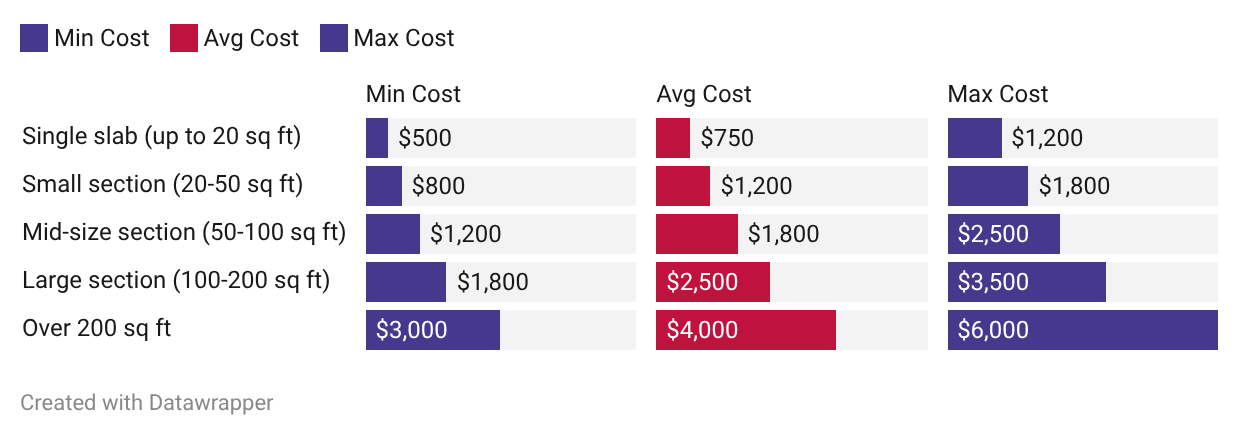
- Single slab leveling costs $500 to $1,200. This covers one standard concrete panel up to 20 square feet. Price variation comes down to how severely the slab has settled and how accessible the area is for equipment.
- Small section leveling costs $800 to $1,800. This covers two to three slabs between 20 and 50 square feet. Each additional slab adds material and drilling time, which pushes the cost up.
- Mid-size section leveling costs $1,200 to $2,500. This covers 50 to 100 square feet of settled concrete. At this scale, the depth of voids beneath the slabs becomes a significant cost driver alongside total square footage.
- Large section leveling costs $1,800 to $3,500. This covers 100 to 200 square feet, typical for longer residential sidewalk runs. Labor time increases significantly at this scale and DOT permits are almost always required.
- Over 200 square feet costs $3,000 to $6,000. At this scope the project approaches full sidewalk reconstruction territory. Permits are required without exception and the job typically spans multiple days.
What's typically included in these ranges:
- On-site assessment and measurement
- Material (mudjacking slurry or polyurethane foam)
- Labor for drilling, injection, and lifting
- Basic crack caulking after leveling
- Cleanup and site restoration
What typically costs extra:
- DOT permit fees ($200 to $800)
- Tree root cutting or removal ($300 to $1,500)
- Drainage corrections ($400 to $1,200)
- Full slab replacement where leveling is not viable ($50 to $120 per linear foot)
- DOT violation filing and coordination ($150 to $400)
What Affects the Cost of Sidewalk Leveling in NYC
Size of the Area Being Leveled
Total square footage is the single biggest cost driver in any sidewalk leveling project. More surface area means more material pumped underneath the slab and more labor time on site. Small jobs still carry a minimum service charge from most contractors to cover equipment and travel, so a single slab rarely costs less than $500 even if the work itself takes under an hour.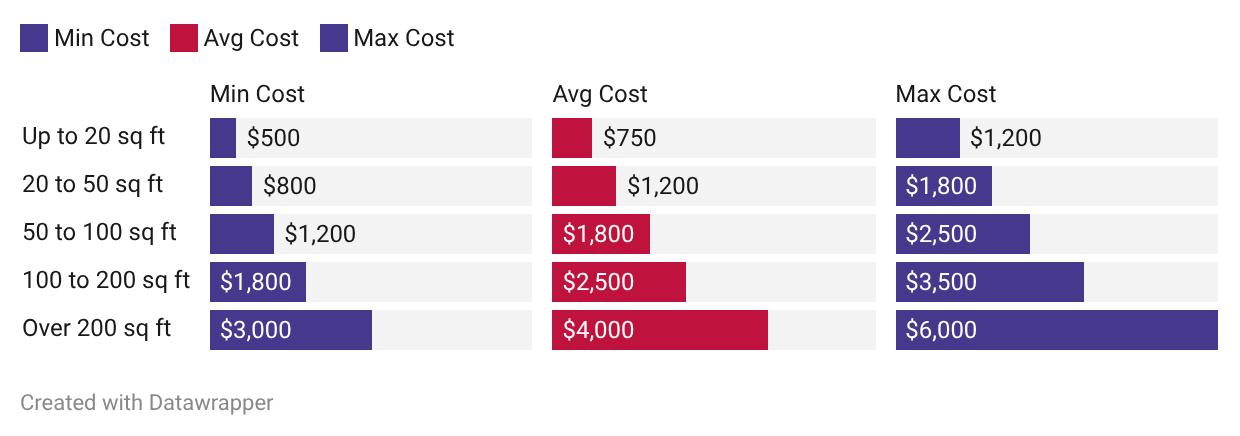
- Up to 20 square feet costs $500 to $1,200. This is typically one standard sidewalk panel. The minimum service charge most contractors apply makes it rare to pay less than $500 regardless of how minor the lift appears.
- 20 to 50 square feet costs $800 to $1,800. This covers two to three slabs. Each additional panel adds drilling points and material volume, both of which increase the final price.
- 50 to 100 square feet costs $1,200 to $2,500. At this range the crew spends significantly more time on site and void depth beneath the slabs starts to matter as much as surface area.
- 100 to 200 square feet costs $1,800 to $3,500. This is common for standard residential front sidewalk runs in NYC. DOT permits are nearly always required at this scope.
- Over 200 square feet costs $3,000 to $6,000. Projects this large often require multiple visits and full permit coordination with the NYC DOT.
Leveling Method
There are three main approaches to sidewalk leveling. Each carries a different cost, a different cure time, and different suitability depending on the condition of your slabs. Your contractor should recommend a method based on your specific situation, not just what they prefer to use.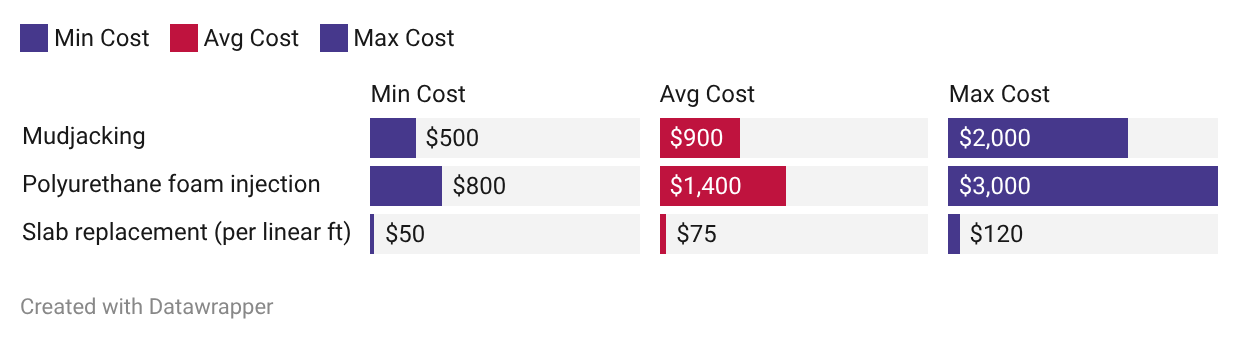
- Mudjacking costs $500 to $2,000. A mixture of soil, sand, cement, and water is pumped beneath the slab to lift it back into position. It is the most affordable option but adds weight to the soil beneath and requires 24 to 48 hours before the area can be used again. It is less precise than foam and more prone to re-settling over time.
- Polyurethane foam injection costs $800 to $3,000. Foam is injected through small drilled holes and expands rapidly beneath the slab. It cures in under an hour, is lighter than mudjacking material, and delivers more precise lifting. The higher material cost is what separates it from mudjacking on price.
- Slab replacement costs $50 to $120 per linear foot. When a slab is too cracked or structurally compromised to level, full replacement is the only viable path. This is always the most expensive route and should only be recommended when leveling genuinely cannot solve the problem. Our team providing sidewalk repair services in NYC always assesses whether leveling is viable before recommending replacement.
Severity of Settlement and Damage
How far a slab has dropped and how large the voids beneath it are directly affects how much material is needed and how long the job takes. A small slab with a deep void can cost more than a larger slab with minor settling.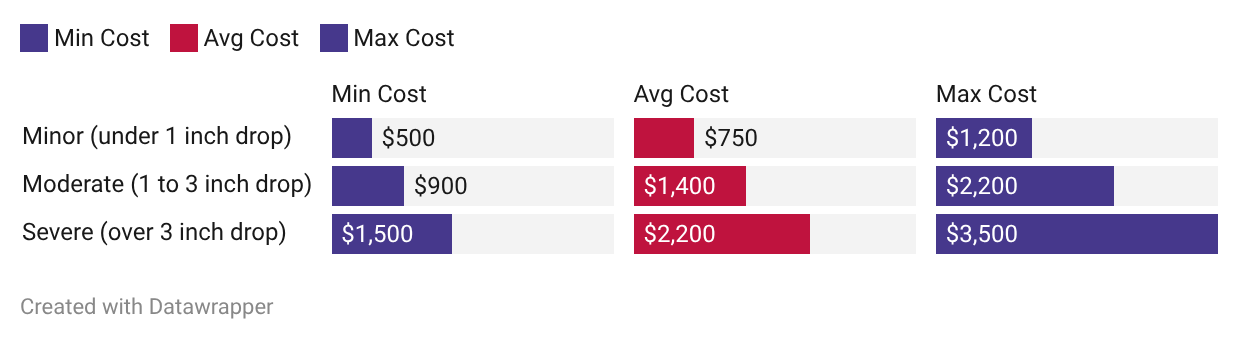
- Minor settlement costs $500 to $1,200. Slabs that have dropped less than an inch are the fastest to correct. Less material is needed and drilling points are minimal, keeping labor time short.
- Moderate settlement costs $900 to $2,200. A drop of one to three inches means larger voids beneath the slab and significantly more material to fill and lift properly. Labor time also increases as the crew monitors lift carefully to avoid over-correction.
- Severe settlement costs $1,500 to $3,500. Drops exceeding three inches often signal significant soil erosion or a compromised base layer beneath the slab. At this level a full assessment is needed to determine whether leveling alone is enough or whether base repairs are also required before lifting begins.
Tree Root Involvement
NYC's 700,000 street trees are one of the leading causes of sidewalk damage across all five boroughs. When roots have lifted or cracked slabs, they need to be cut or removed before leveling, otherwise the same problem returns within a few seasons.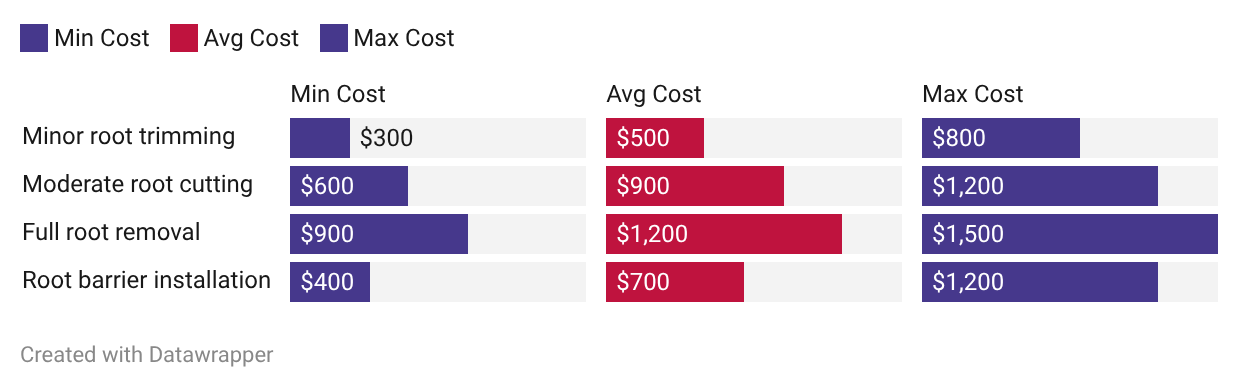
- Minor root trimming costs $300 to $800. Surface-level roots that have pushed up a slab edge can often be trimmed without major excavation. This is added directly to the base leveling cost.
- Moderate root cutting costs $600 to $1,200. Roots that have grown beneath a larger portion of the slab require more labor and sometimes partial excavation to access and cut properly.
- Full root removal costs $900 to $1,500. When roots have grown extensively beneath the slab, full removal is needed before leveling can be done correctly. This adds significant labor time to the overall project.
- Root barrier installation costs $400 to $1,200. Barriers installed after root removal prevent regrowth beneath the slab. This is worth adding to any job where roots were the primary cause of damage.
DOT Permit Requirements
NYC requires permits for most sidewalk work involving concrete lifting or breaking. Permits are pulled through the NYC Department of Transportation and add both cost and processing time to a project. Skipping permits is not an option. Unpermitted work can result in stop-work orders and fines that exceed the original repair cost.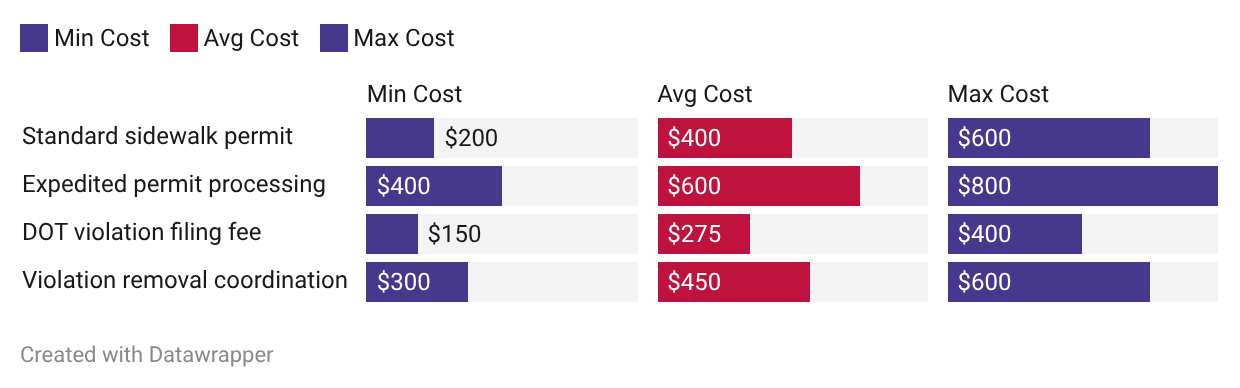
- Standard sidewalk permits cost $200 to $600. Most leveling projects in NYC require a permit before work begins. Our team handles the full permit process on your behalf including submission and direct DOT communication.
- Expedited permit processing costs $400 to $800. Emergency repairs or open violation deadlines sometimes require faster processing. The added cost covers priority handling through the DOT system.
- DOT violation filing fees cost $150 to $400. If a violation has already been issued against your property, there are administrative fees involved in filing the repair and closing the violation.
Labor and Site Accessibility
NYC's urban environment creates accessibility challenges that simply don't exist in suburban settings. Narrow streets, parked cars, scaffolding, building proximity, and basement access points all affect how easily equipment reaches the work area and how long the job takes.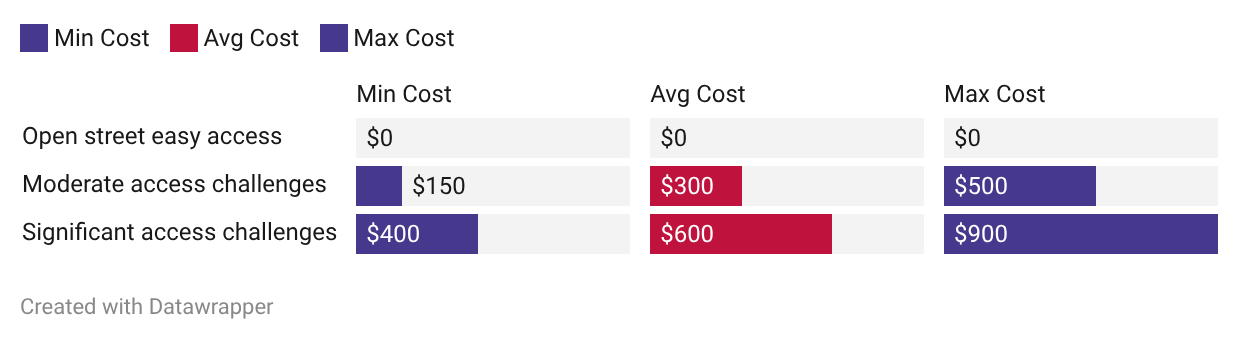
- Open street access adds no additional cost. When equipment can reach the sidewalk directly from the street without obstruction, standard labor rates apply.
- Moderate access challenges add $150 to $500. Parked cars, narrow sidewalk clearance, or nearby scaffolding slow the crew down and require additional setup time.
- Significant access challenges add $400 to $900. Situations where equipment cannot get close to the work area, requiring manual material transport or special rigging, add the most to labor costs. This is most common in dense Manhattan blocks and narrow Bronx side streets.
Sidewalk Leveling Costs by City
NYC is one of the most expensive cities in the country for sidewalk leveling. Labor rates, permitting costs, and urban density all push prices above the national average. Here is how NYC compares to other major US cities: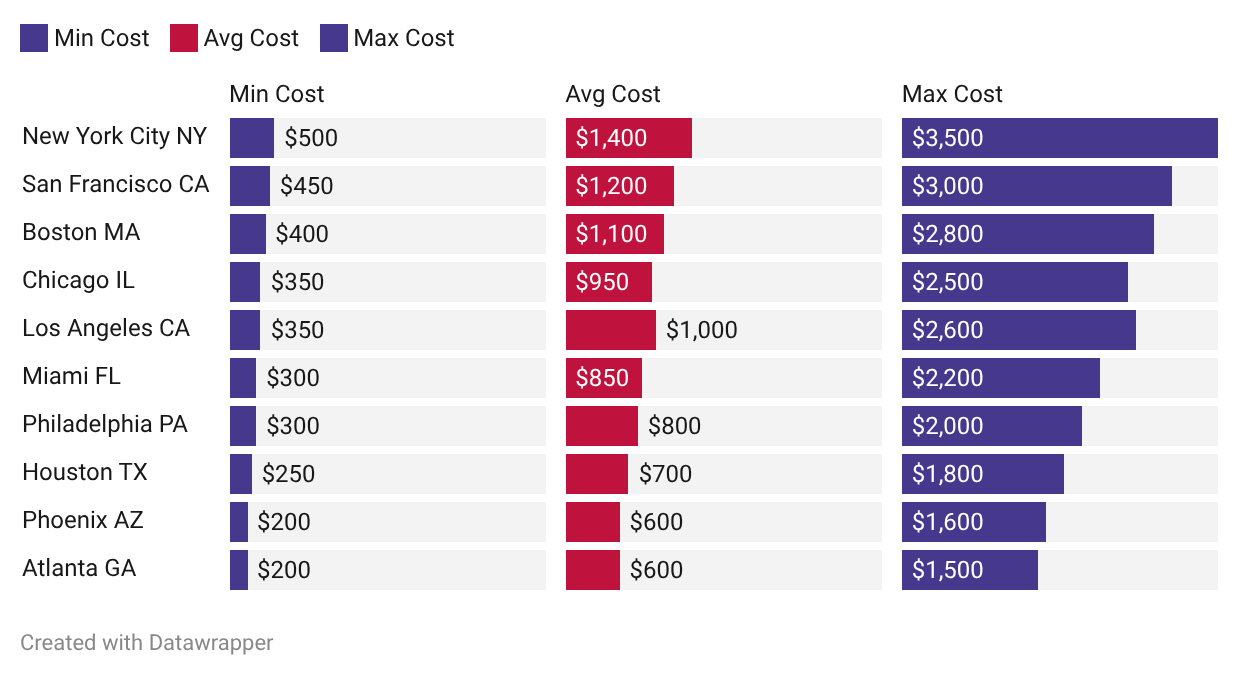
- New York City costs $500 to $3,500. NYC sits at the top of this list for several reasons. Union labor rates, mandatory DOT permits, high equipment operating costs in dense urban areas, and the sheer volume of tree root damage across the five boroughs all drive prices up relative to every other city on this list.
- San Francisco costs $450 to $3,000. The Bay Area comes closest to NYC pricing due to similarly high labor costs and strict municipal permitting requirements. Soil instability from seismic activity also adds complexity to leveling projects.
- Boston costs $400 to $2,800. Boston's freeze-thaw cycle is comparable to NYC's, making it one of the more expensive northeastern markets. Older infrastructure and narrow streets in areas like Beacon Hill add labor complexity.
- Chicago costs $350 to $2,500. Chicago faces similar freeze-thaw conditions but benefits from lower base labor rates than NYC or Boston. Permitting costs are lower and urban density is less extreme outside the Loop.
- Los Angeles costs $350 to $2,600. LA's costs are driven more by labor rates than weather. The city has minimal freeze-thaw activity but significant soil movement from seismic conditions and drought cycles that affect concrete stability.
- Miami costs $300 to $2,200. Florida's warm climate eliminates freeze-thaw damage but high humidity and frequent flooding create drainage-related settling that adds to project complexity.
- Philadelphia costs $300 to $2,000. Philly shares NYC's freeze-thaw conditions and older sidewalk infrastructure but has lower labor rates and less complex permitting requirements.
- Houston costs $250 to $1,800. Expansive clay soils in the Houston area cause significant sidewalk movement but lower labor costs keep overall pricing well below northeastern cities.
- Phoenix and Atlanta cost $200 to $1,600 and $200 to $1,500 respectively. Both cities benefit from mild winters, lower labor costs, and simpler permitting processes that keep sidewalk leveling among the most affordable in the country.
Hidden and Additional Costs to Watch For
Most sidewalk leveling quotes cover the basic lift and material. Several additional costs regularly appear on final invoices that were not included in the original estimate. Knowing them in advance prevents surprises.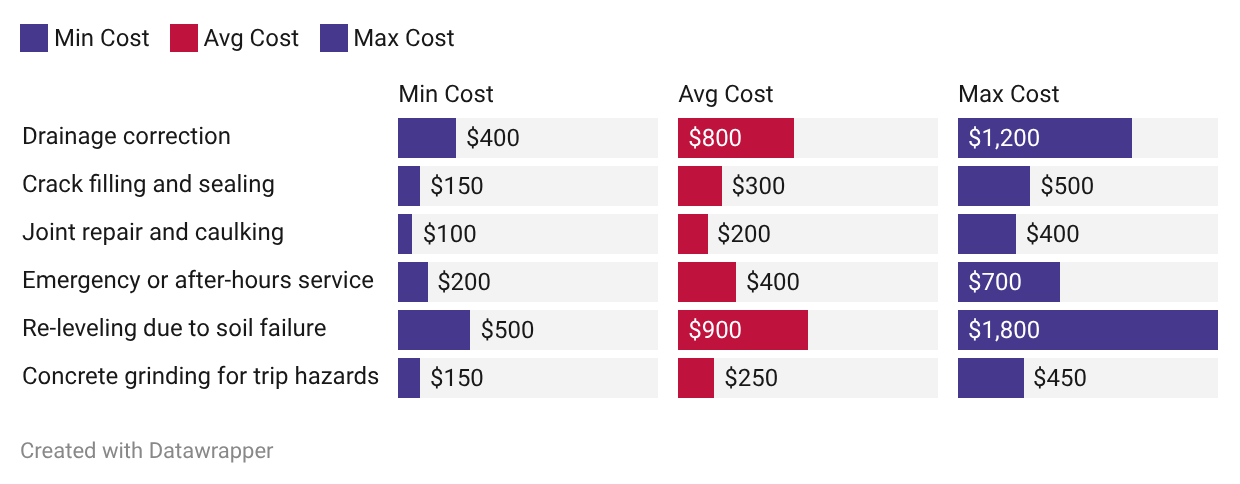
- Drainage correction costs $400 to $1,200. Poor drainage is often the underlying cause of sidewalk settling. Leveling the slab without fixing the drainage means the same problem returns. Not every contractor flags this proactively, so ask about it directly.
- Crack filling and sealing costs $150 to $500. Basic crack caulking is usually included in leveling quotes but more extensive crack networks require separate filling and sealing work to prevent water penetration after the lift.
- Joint repair and caulking costs $100 to $400. Expansion joints between slabs need to be properly sealed after leveling to prevent water from getting beneath the concrete again. This is often billed separately from the leveling itself.
- Emergency or after-hours service costs $200 to $700 on top of standard rates. DOT violations with tight deadlines or safety hazards requiring immediate repair can trigger emergency service charges. Our team offers emergency sidewalk repair in Queens and across all NYC boroughs for exactly these situations.
- Re-leveling due to soil failure costs $500 to $1,800. If the underlying soil issue was not properly addressed during the first repair, re-settling can occur. This is more common with mudjacking than foam injection and more likely when drainage problems were not corrected.
- Concrete grinding for trip hazards costs $150 to $450. When a raised slab edge creates a tripping hazard but full leveling is not warranted, grinding down the raised lip is a faster and cheaper fix. Some contractors include this in their assessment, others bill it separately.
Frequently Asked Questions
Is sidewalk leveling cheaper than replacement?
Yes, in almost every case. Leveling typically costs 50 to 70% less than full concrete replacement. A section that would cost $3,000 to replace can often be leveled for $800 to $1,400. Replacement makes sense only when slabs are too cracked or structurally compromised to lift.
How long does sidewalk leveling last?
Polyurethane foam leveling typically lasts 10 years or more when the underlying cause (drainage, roots, soil) is also addressed. Mudjacking generally lasts 5 to 10 years. Neither method will last long if the root cause of settling is left unresolved.
Can any cracked sidewalk be leveled?
No. Slabs with extensive cracking, large missing sections, or structural failure need replacement rather than leveling. A contractor should assess each slab individually. If a company recommends leveling every slab without inspection, get a second opinion.
Does NYC require a permit for sidewalk leveling?
Yes, in most cases. The NYC DOT requires permits for concrete work on public sidewalks. Working without a permit risks stop-work orders and fines that can exceed the original repair cost. Any reputable contractor will pull permits before starting work.
How long does the job take?
A single slab with foam injection can be completed in two to three hours including cure time. Larger sections of 100 square feet or more typically take a full day. Mudjacking projects require an additional 24 to 48 hours of cure time before the sidewalk can be used.
What happens if I ignore a settled sidewalk in NYC?
The NYC DOT actively inspects sidewalks and issues violations to adjacent property owners. Once a violation is issued you have a set window to repair it or face escalating fines. Beyond fines, an unrepaired trip hazard creates direct legal liability if someone is injured. Addressing settling early is always less expensive than waiting for a violation.
Final Thoughts
Most NYC sidewalk leveling projects land between $500 and $3,500. The main factors that push your cost up are total square footage, severity of settlement, tree root involvement, and DOT permit requirements. Method choice matters too. Polyurethane foam costs more upfront but lasts longer and cures faster than mudjacking.
Get your measurements, assess the drop depth, check for roots, and use the framework above to build a realistic estimate before calling contractors. That way you can spot a quote that is too high or too low before committing to anything.
Call Eden Sidewalk Repair NYC at 718-577-5999 for a free estimate. We serve property owners across New York City including Manhattan, Brooklyn, Queens, and the Bronx.